Your First Ski Trip: 15 Beginner Tips Nobody Tells You

Skiing looks easy from the terrace. Then you put the boots on. If you are planning your first ski trip, this is the list of things we wish someone had told us before our first week on the mountain. None of it is complicated. All of it makes the difference between a holiday you remember and a week of sore shins.
Before you go
1. Take lessons. Group lessons are fine.
Your friend who "will teach you" will get bored after an hour and disappear up the mountain. A ski instructor will have you on a blue run by day three. Group lessons cost a fraction of private ones and you meet people who are as bad as you are, which is more fun than it sounds. Book them before you go, the good ski schools fill up in February.
2. Rent everything except the clothes.
Skis, boots, poles and a helmet: rent them in the resort. You do not know what you like yet, rental gear is well maintained, and if something breaks it is their problem. Ski jacket, ski pants, gloves and goggles: buy or borrow, because rental clothing is rare and rarely nice.
3. Pick a beginner-friendly resort.
Some resorts are famous for steep terrain and long lift queues. You want the opposite: wide blue runs, a learning area near the village and a ski school with a good reputation. In Austria, places like Saalbach, Alpbach and the SkiWelt are known for this. In France, La Plagne and Les Gets. Ask the tour operator which runs are good for beginners and stay near them.
4. Get fit before you leave.
Skiing uses muscles you did not know you had. Three weeks of squats, lunges and wall sits before the trip will save you from the famous day-three leg collapse. It does not need to be a programme. Ten minutes a day is enough.
On the mountain
5. Your boots should be tight, not painful.
Ski boots feel strange the first time. That is normal. What is not normal is pain in a specific spot, numb toes or a heel that lifts when you lean forward. Go back to the rental shop and say so. They will adjust them or swap them, and a good fit is the single biggest factor in whether you enjoy the week.
6. Wear one pair of thin socks.
Thick socks, or two pairs, make your feet colder and your boots fit worse. One thin pair of proper ski socks, pulled up smooth with no wrinkles. Nothing else inside the boot, not even the bottom of your base layer.
7. Layer like you mean it.
Base layer, mid layer, shell. No cotton against the skin. We wrote a full guide on what to wear skiing, but the short version is: start slightly cold, because you will warm up fast, and keep the jacket zipped on the chairlift.
8. The chairlift is easier than it looks.
Look over your shoulder as the chair comes, sit down when it touches your legs, and pull the bar down. Getting off: tips up, stand when your skis touch the snow, push away from the chair and let yourself slide. Do not try to stop right in front of the lift. Everyone falls once. Nobody remembers it except you.
9. Learn to stop before you learn to go fast.
The snowplough, or pizza, is not elegant but it works. Master stopping and turning slowly on the easy slope before you follow anyone onto a blue. Speed comes on its own, usually sooner than you want it to.
10. Falling is part of it. Falling well is a skill.
When you feel it going, sit down to the side, not backwards. Keep your arms in. Do not try to catch yourself with your hands. Then to get up: skis across the slope, below you, and push up on the uphill side. Your instructor will show you this on day one because you will need it on day one.
11. Sunscreen, even when it is cloudy.
Snow reflects the sun and you are at altitude. A goggle tan is a rite of passage, a burnt nose is just painful. Factor 50 on your face, lip balm with SPF, every morning.
12. Drink water and eat lunch.
You are at altitude, in dry air, doing sport all day. Most beginner headaches are dehydration. The mountain restaurant is expensive, but a proper lunch at midday gives you the legs for the afternoon. Take a bottle of water in your jacket pocket.
After the last lift
13. Après ski is for beginners too.
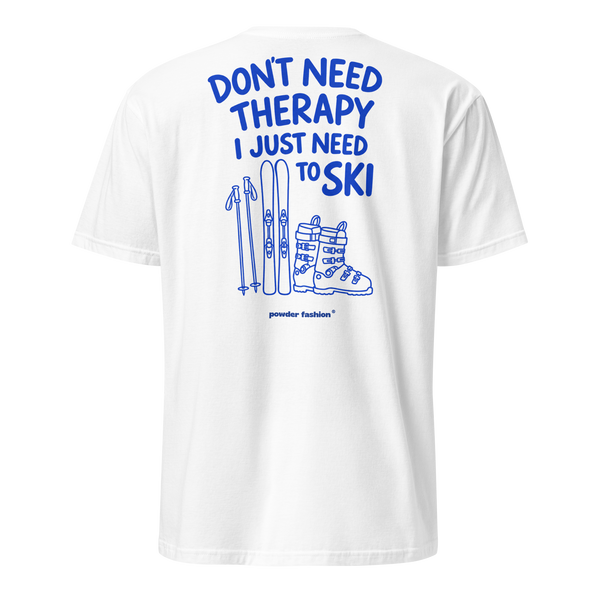
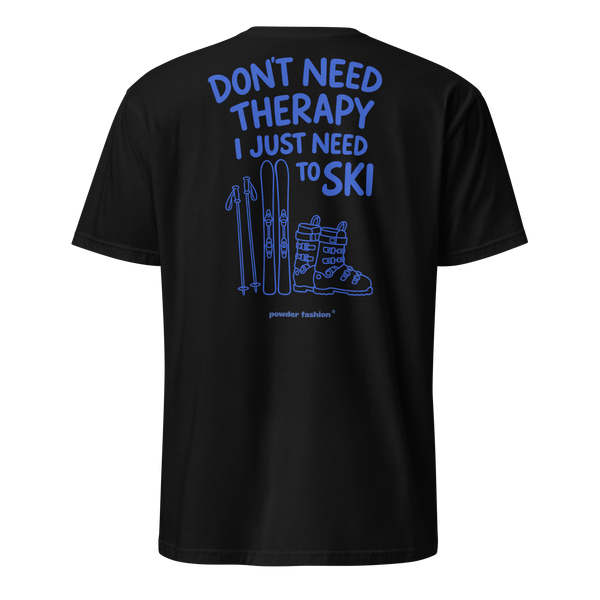
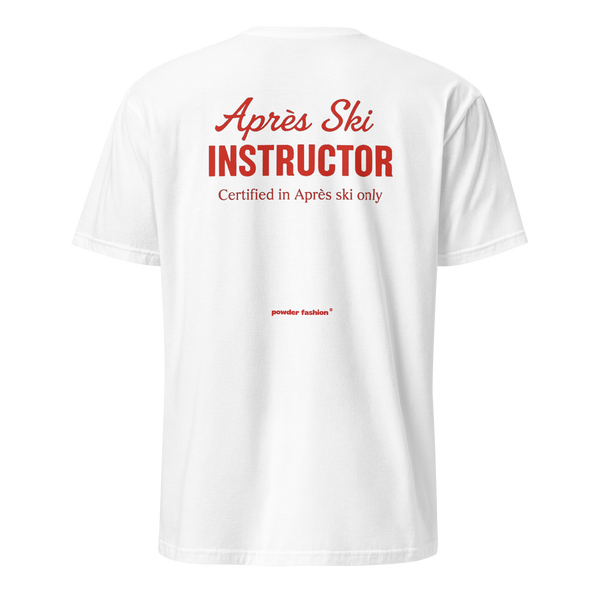
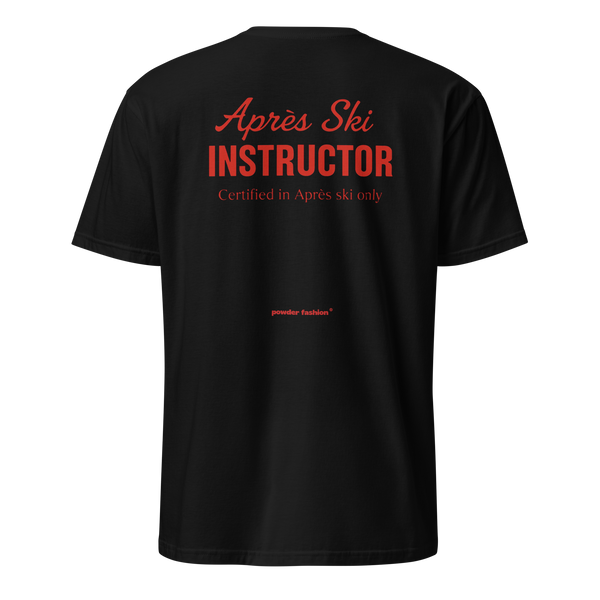
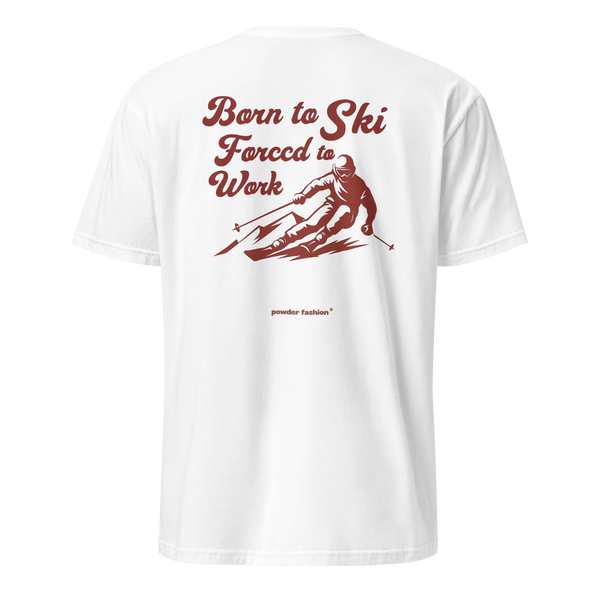
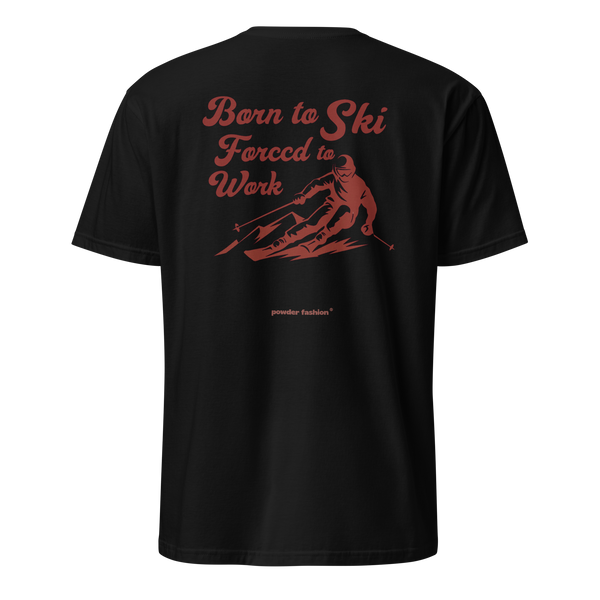
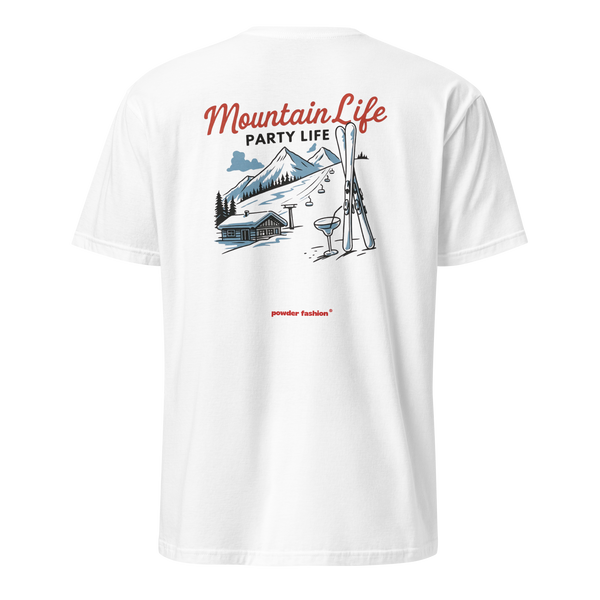
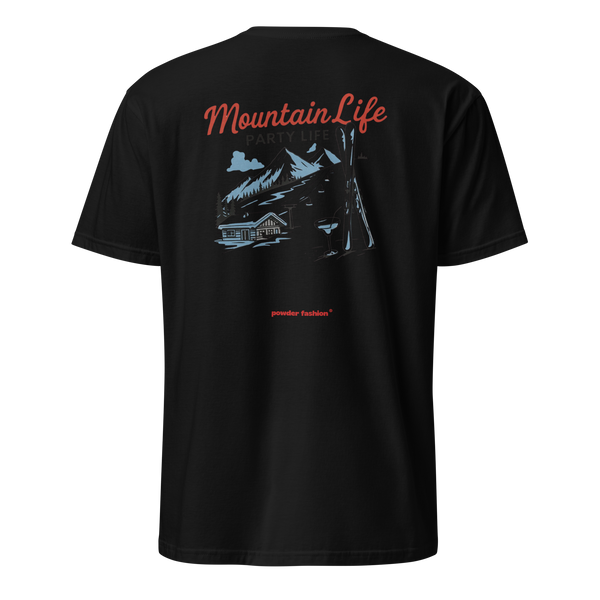
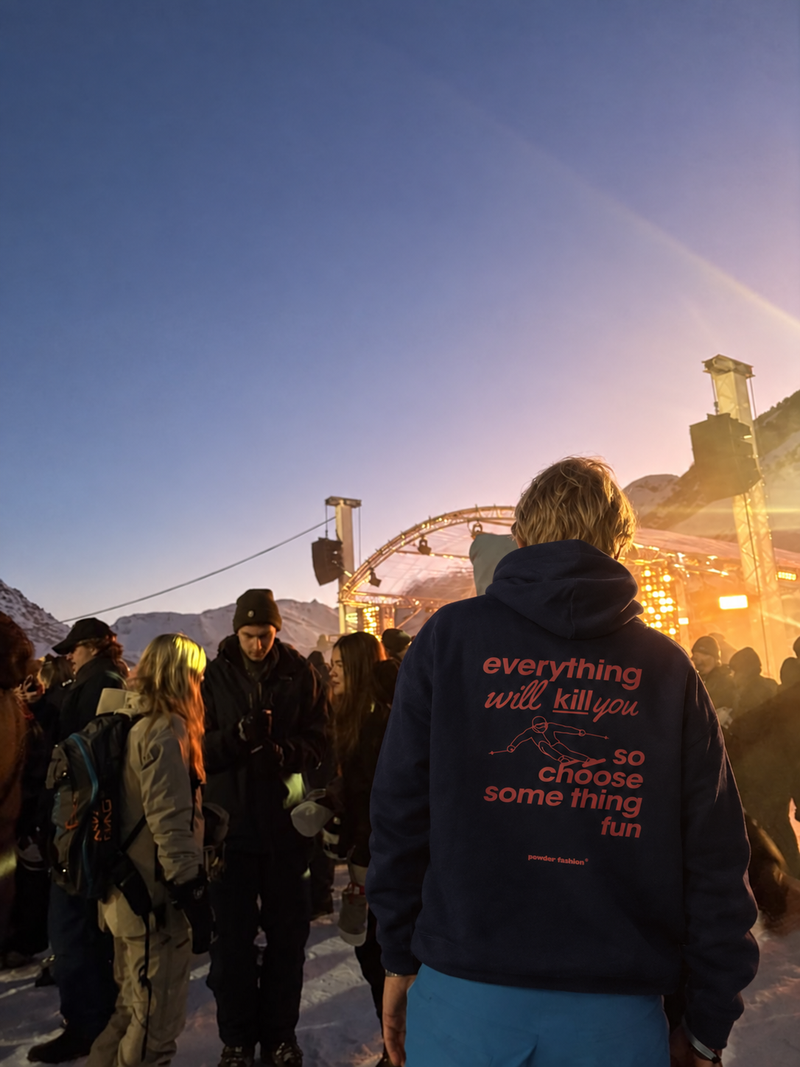
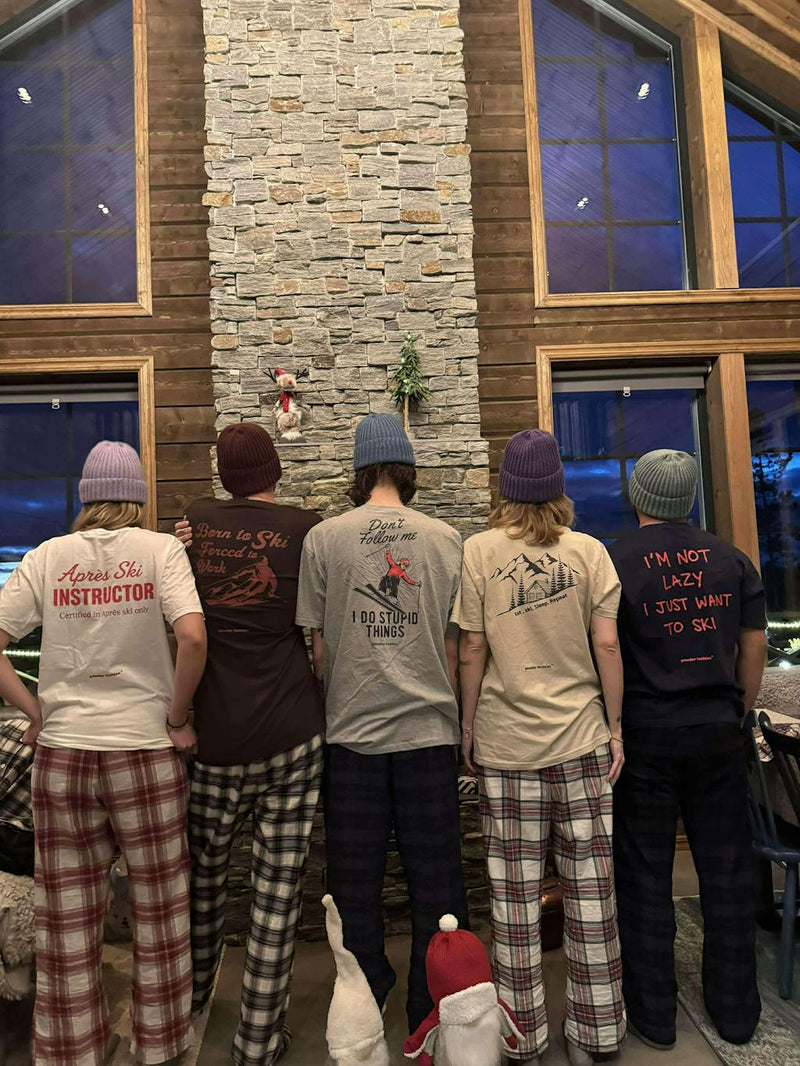
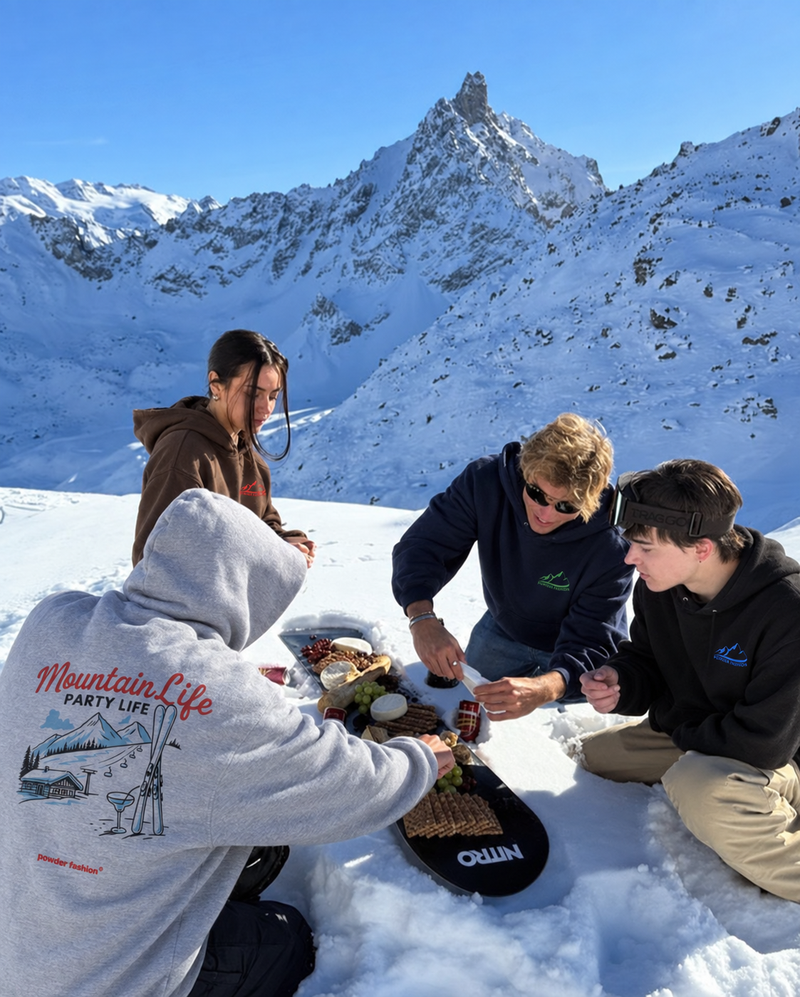
You do not need to be good at skiing to be good at après ski. Everybody on the terrace fell at least once that day. Take the boots off if you can, put a warm hoodie on and join in. If you want to know what to wear, our guide to après-ski outfits covers it, and our après-ski shirts have a design for every level of skier, including the ones who spent most of the day sitting down.
14. Stretch, then go to bed early. At least on the first night.
Five minutes of stretching, a hot shower and an early night on day one will make day two possible. Day three is when the legs really complain. By day four it gets easier, and by day five you will want to book next year.
15. Do not compare yourself to the six-year-olds.
They have no fear, a low centre of gravity and nothing to do all week but ski. You are doing fine.
What to pack
For the full list, from base layers to the hoodie you will live in every evening, see our ski trip packing list. And if your first trip goes the way ours did, you will be back next winter with a ski T-shirt that says exactly how you feel about it.
Ski hard, party harderOriginal ski T-shirts and hoodies with back prints made for the chairlift and the après bar. Free worldwide shipping, 14-day returns.
Shop the collection