Early Season Skiing: The Best Glacier Resorts for November and December
Most ski resorts open in mid December. If you cannot wait that long, you do not have to. A handful of glacier resorts in the Alps run their lifts from October onwards, with real pistes, real snow and, in a few cases, a proper après scene. This is our guide to early season skiing: where to go in November and early December, what to expect, and how to make the most of a short trip when the mountain is still waking up.
Why ski early in the season
Three reasons. The slopes are quiet, because most people are still at work and the school holidays are months away. The prices are lower, with accommodation and lift passes often well below the January and February rates. And the first turns of the year feel better than any others. You have waited since April. One weekend on a glacier in November resets the whole winter.
The trade off is simple: you ski on a glacier, so the open terrain is smaller than in peak season, and the weather at 3,000 metres in November can be anything from bright blue to full storm. Pack for both.
The best glacier resorts for early season skiing
Hintertux, Austria
The Hintertux glacier is the only ski area in Austria that is open all year, which makes it the safest bet for an autumn trip. The terrain is steeper and more varied than most glaciers, with long runs down to the valley once the lower slopes open. The Tuxer Fernerhaus at 2,660 metres is the place for lunch and the first drink of the season.
Best for: skiers who want real runs, not just a training slope.
Good to know: the lift queues on Saturday mornings in November can be long. Go midweek if you can.
Sölden, Austria
Sölden has two glaciers, Rettenbach and Tiefenbach, both above 2,700 metres, and it hosts the opening races of the Alpine Ski World Cup at the end of October. That tells you everything about the snow. The village is at the bottom of the valley and runs a full après programme from the first weekend, so this is the early season resort if you want the bar as well as the glacier.
Best for: groups who want skiing and après in one trip.
Good to know: the glacier road is a long bus ride from the village. Set the alarm.
Stubai Glacier, Austria
The Stubai is the largest glacier ski area in Austria and sits less than an hour from Innsbruck, which makes it the easiest early season trip by train or plane. Wide, relaxed pistes, a big beginners area and a snow park that opens early. The ice grotto and the Top of Tyrol viewing platform at 3,210 metres are worth the detour.
Best for: families, mixed groups and anyone flying into Innsbruck.
Good to know: Neustift in the valley is quiet in November. Come for the skiing, not the nightlife.
Kitzsteinhorn, Kaprun, Austria
Salzburg's only glacier, with pistes up to 3,000 metres and a modern lift system that gets you from the valley to the top in one go. Kaprun and Zell am See share a lift pass, so once the lower resorts open in December you get both. Early in the season, the Kitzsteinhorn alone is enough for a long weekend.
Best for: a long weekend from the Netherlands, Germany or Belgium by car.
Good to know: the top station is exposed. On a windy day, the lower glacier lifts are the better choice.
Pitztal Glacier, Austria
The highest glacier ski area in Tyrol, with lifts up to 3,440 metres. Pitztal is smaller and quieter than Sölden or Hintertux, and that is the point. Early season, it is where racing teams train and where locals go when they want fresh snow without the crowds.
Best for: experienced skiers who want empty pistes.
Good to know: the valley is narrow and the drive in is slow. Stay in the valley rather than commuting.
Zermatt, Switzerland
Zermatt skis all year on the Theodul glacier, with the Klein Matterhorn station at 3,883 metres the highest lift in Europe. In November the glacier area is linked to Cervinia on the Italian side on good days, and the view of the Matterhorn from the first lift of the season is hard to beat. It is also the most expensive resort on this list by some distance.
Best for: a special trip, and anyone who wants to ski into Italy for lunch.
Good to know: Zermatt is car free. You park in Täsch and take the train.
Tignes, France
The Grande Motte glacier at Tignes usually opens in autumn and gives French skiers their first turns of the season. At 2,100 metres, Tignes itself is high enough that the lower slopes often open by late November as well. The resort is purpose built and not pretty, but the skiing is excellent and the link to Val d'Isère opens in December.
Best for: skiers heading to the French Alps who do not want to wait for Christmas.
Good to know: the Grande Motte funicular is underground, so it runs in almost any weather.
Val Thorens, France
Not a glacier resort, but at 2,300 metres the highest village in Europe, and it usually opens in the second half of November. Once it opens you get a real resort with a full village, the La Folie Douce après institution and, from early December, the link to the rest of Les 3 Vallées. If your early season trip is at the end of November, this is the one to book.
Best for: late November trips with a proper après scene.
Good to know: early season snow can be thin on the lower runs. Stay high.
What to pack for a glacier weekend
Early season skiing is colder than you expect and sunnier than you expect, often on the same day. A few things that make the difference:
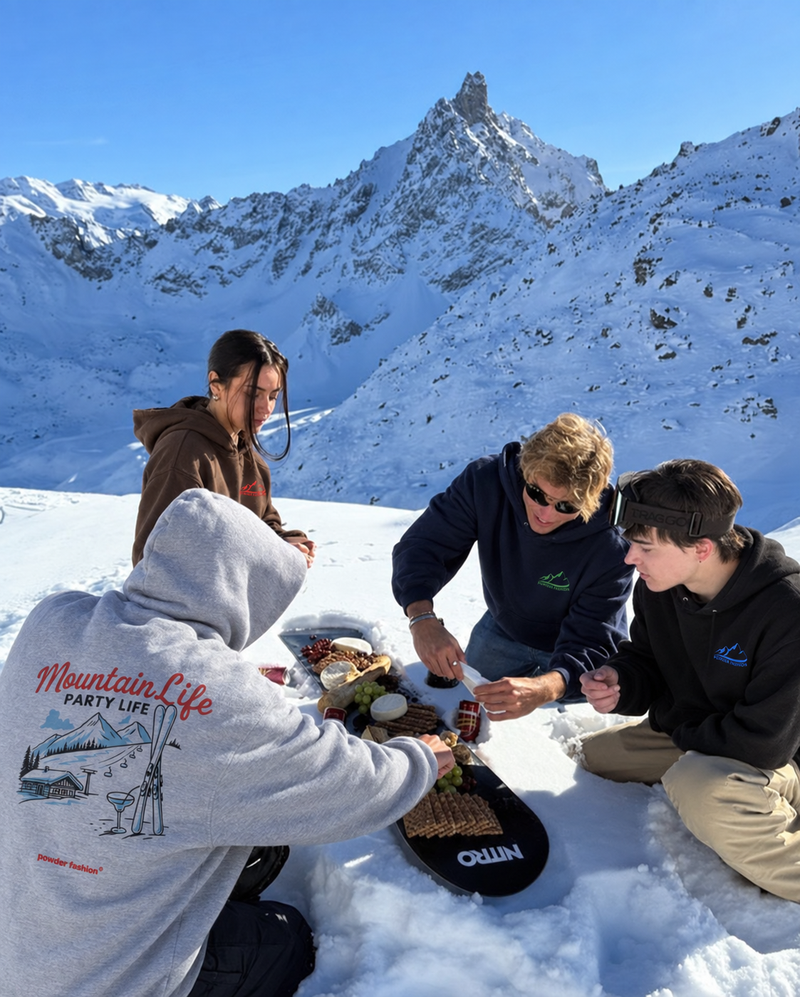
- A proper mid layer. The wind on a glacier at 3,000 metres goes straight through a thin fleece. Our ski hoodies are brushed fleece inside and fit under a shell, and once you are in the hut they are the layer everyone sees.
- Sunscreen and lip balm with SPF. The autumn sun on fresh snow at altitude is stronger than most people are ready for.
- Goggles with a low light lens. November weather turns flat and grey quickly, and on a glacier without trees there is nothing to show you where the bumps are.
- A neck warmer and a thin beanie for under the helmet. The first chairlift of the day in November is the coldest ride of the season.
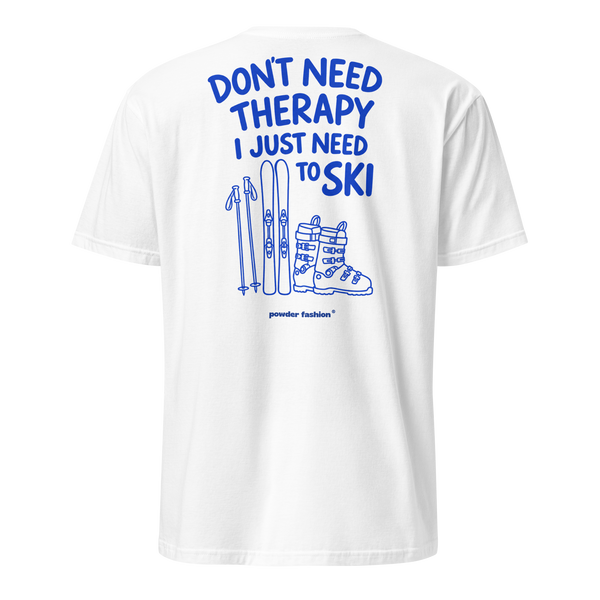
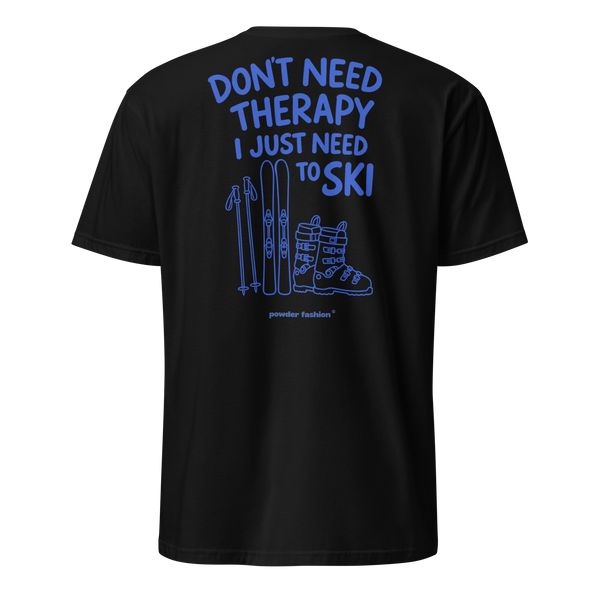
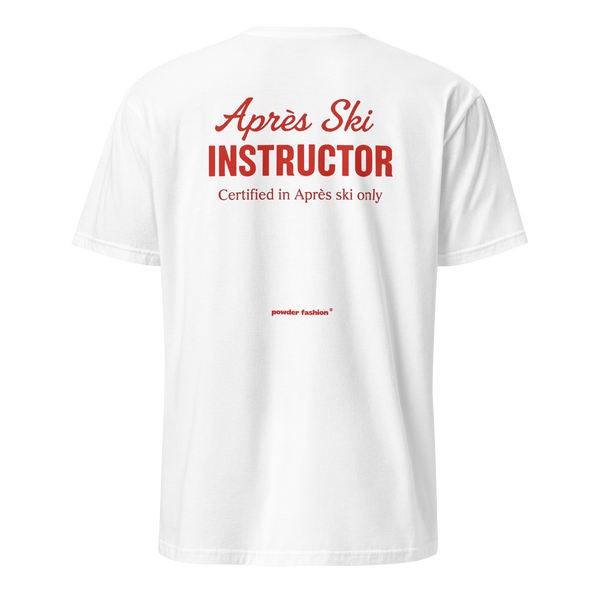
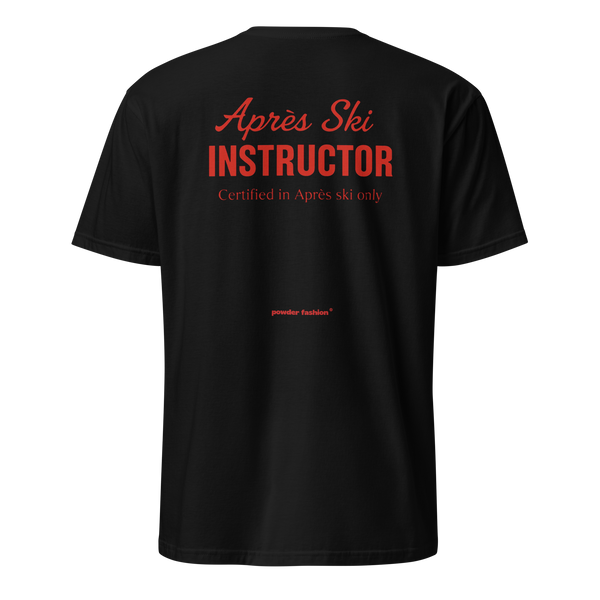
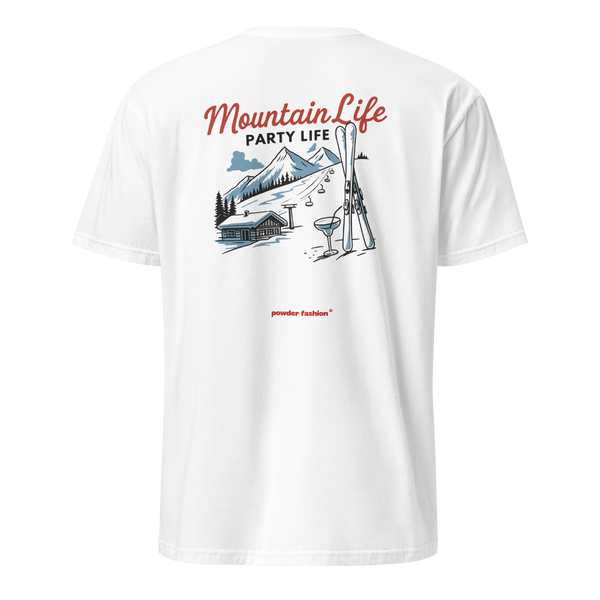
- A T-shirt for the hut. Glacier restaurants are warm and busy. Pull off the layers, order the soup and let the back print do the talking.
For the full list, see our ski trip packing list, and for the layer by layer breakdown, what to wear skiing.
Early season tips from people who go every year
- Check the lift report the night before. Glacier lifts close for wind more often in autumn. Most resorts publish an open lifts list every evening.
- Start late. The snow on a glacier is rock hard at nine in the morning in November. Ten thirty is often the better first lift, and the queues are shorter.
- Ski with the sun. Follow the pistes the sun has reached. The shaded side of a glacier stays icy all day this early in the season.
- Book two nights, not one. If the first day is a whiteout, you have a second chance. If both days are good, you will not regret it.
- Do not expect full après. Outside Sölden and Val Thorens, early season evenings are quiet. Bring the group and make your own.
Where to go when
- October: Hintertux, Sölden, Stubai, Pitztal, Zermatt, Tignes.
- Early November: all of the above, with more terrain open and the first village bars opening in Sölden.
- Late November: add Val Thorens, Kaprun and the first high resorts like Obergurgl and Ischgl.
- Early December: most high resorts in the Alps are open. The glaciers are now the quiet option.
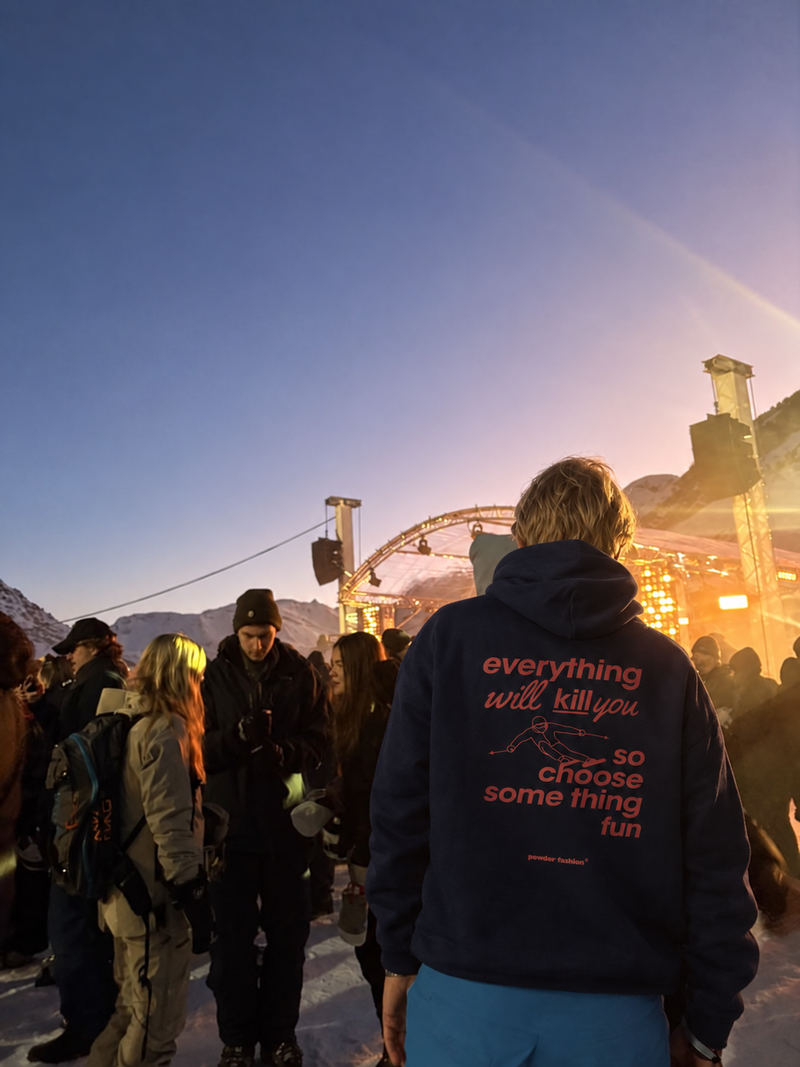
However early you go, the first lift of the season deserves the right shirt. The First Lift hoodie was made for exactly this weekend, the Powder Junkie for the people who set the alarm for it, and I Need Vitamin Ski for everyone who has been counting the days since April. All of them ship free and tracked worldwide, printed to order within two working days, so there is still time before the glacier.
Ski hard, party harderOriginal ski T-shirts and hoodies with back prints made for the chairlift and the après bar. Free worldwide shipping, 14-day returns.
Shop the collection